Emerald Green
Primary visual colorWhere Is Lake Braies?
South Tyrol · Italy
Drag or zoom the real map. Verified shoreline geometry is highlighted with the lake’s LakeColors palette color when available.
Lake Braies on the Globe
Rotate the world or focus directly on the lake.
Heavy Rain Can Reduce the Lake's Clarity
Environmental monitoring reports relatively low Secchi-depth values at times and links part of that reduced transparency to higher suspended-solid concentrations after stronger rainfall. This can mute the clear green-to-turquoise appearance without representing a permanent change in the lake's color identity.
Lake Braies Color Through the Year
How Strong Is the Color Evidence?
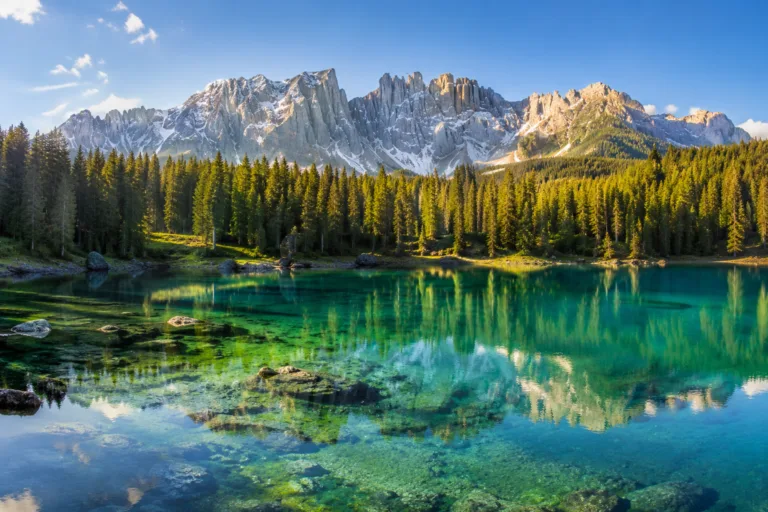
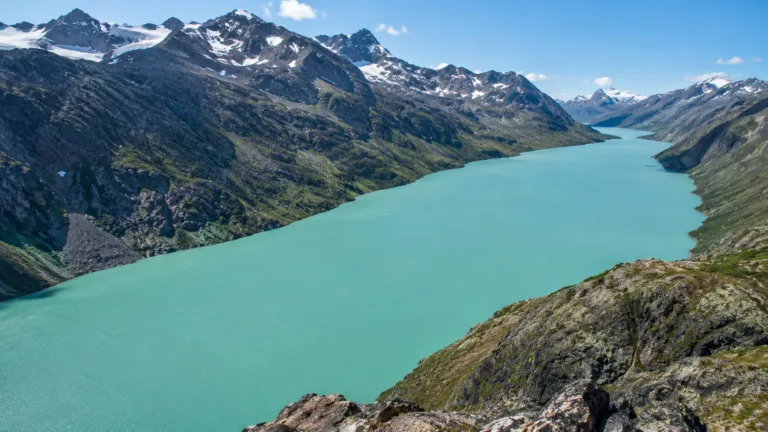
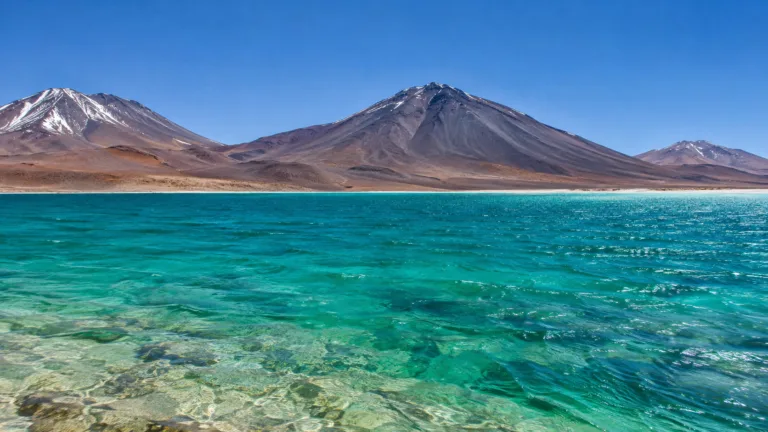
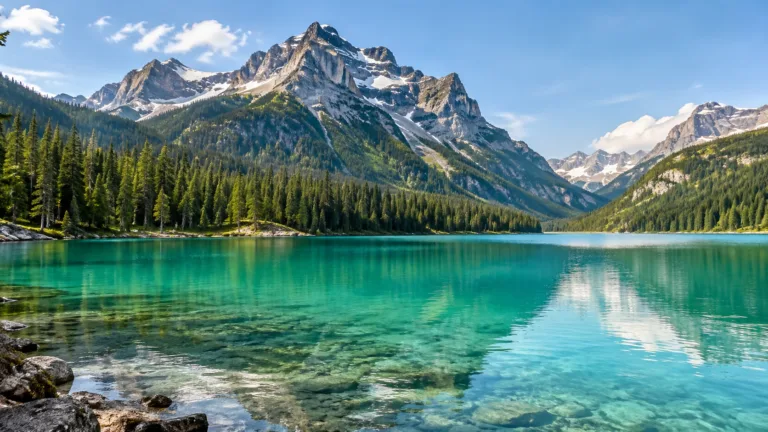
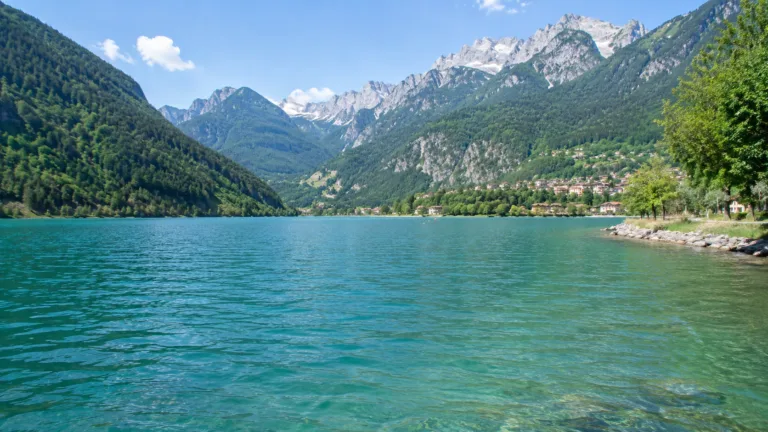
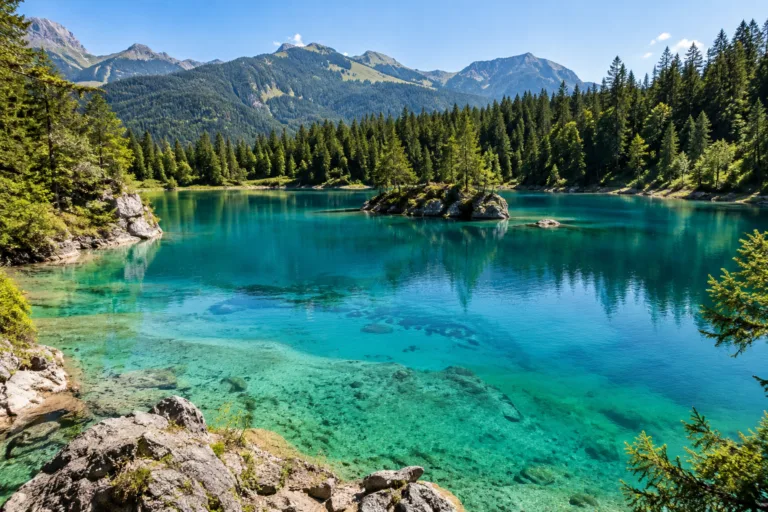
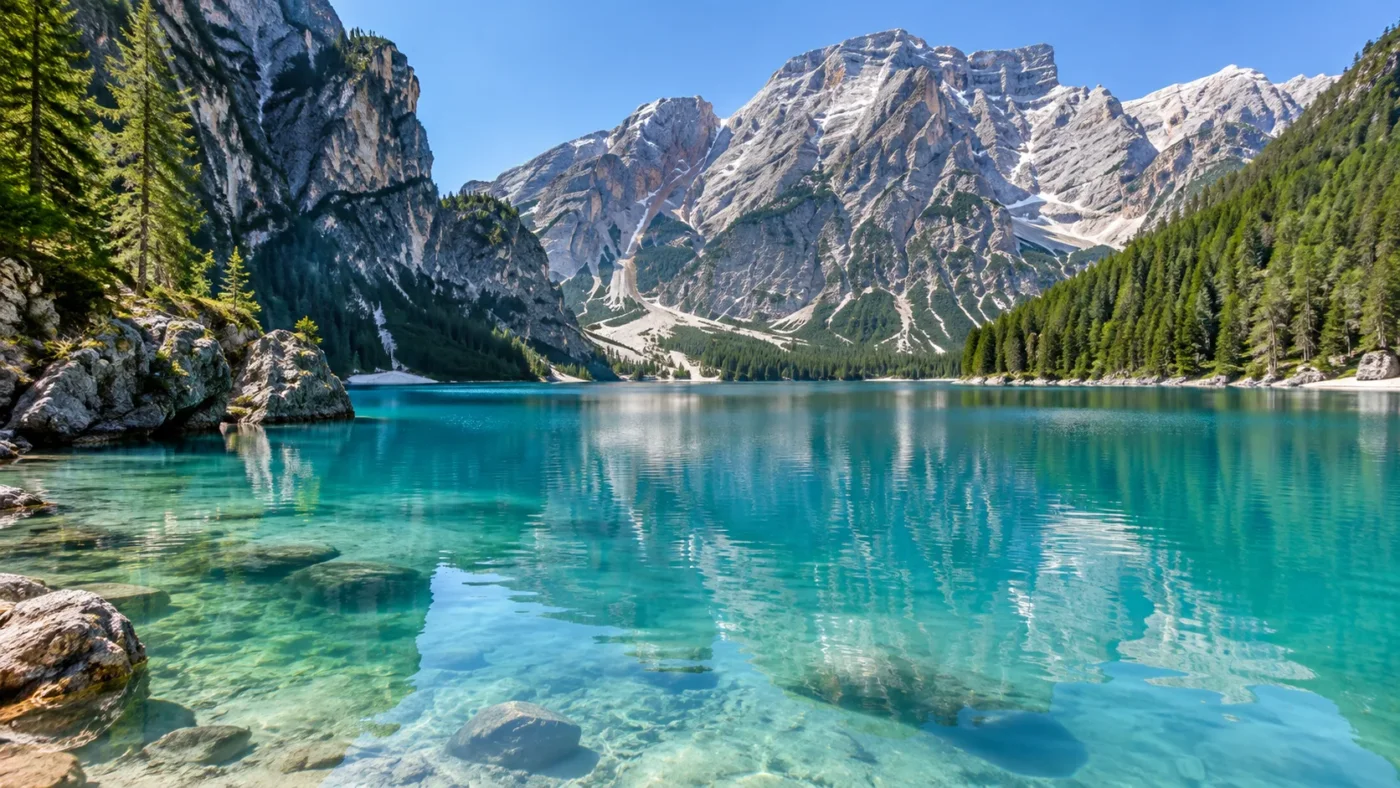
Lake Braies usually appears emerald green, blue-green or turquoise blue rather than one fixed shade. Official South Tyrol descriptions explicitly place its open-water appearance across the green-and-blue part of the spectrum. The color seen from shore can change considerably with sunlight, reflections and short-term changes in water transparency.
Lake Braies Does Not Have One Permanent Shade
The familiar emerald appearance is real, but it should not be treated as an exact color value that remains constant across the lake or throughout the day. South Tyrol’s official tourism information describes the sunlit water as taking on shades of both green and blue. Italy’s national tourism portal likewise characterizes Lake Braies as an emerald-colored body of water.
That range matters. A photograph made under strong sunlight can show bright turquoise or blue-green water, while shaded water may appear darker and greener. Reflections from the forest, pale Dolomite rock, clouds and the sky can also alter the color recorded by a camera or perceived from a particular shoreline position.
The Water Itself Is a Deep Calcareous Alpine Lake
South Tyrol’s environmental monitoring classifies Pragser Wildsee as a deep calcareous mountain lake. It lies at about 1,496 metres above sea level, covers roughly 33 hectares and reaches a maximum depth of 36 metres. The same monitoring program identifies it as oligotrophic, meaning its nutrient concentration is comparatively low.
This gives a better starting point for understanding the color than a simple claim that one substance “dyes” the lake turquoise. Visible lake color is an optical result. Light enters the water, some wavelengths are absorbed, others are scattered back toward the observer, and the final view is modified by material suspended in the water and by reflections at the surface.
Rain Can Change How Clear the Color Looks
One of the most useful lake-specific findings comes from environmental monitoring rather than tourism imagery. The South Tyrol Environment Agency reports that transparency at Lake Braies can be relatively low at times. It links this partly to algal development and partly to increased suspended material following stronger rainfall.
That means a rainy period can change the appearance without creating an entirely new color state. More suspended matter reduces the depth through which light travels cleanly. The result can be a flatter, cloudier or less saturated-looking surface compared with the vivid green-turquoise appearance associated with clearer conditions.
This distinction is important: a temporary loss of brilliance is not evidence that the lake has permanently changed color.
Algae Affect Transparency, but Lake Braies Is Still Oligotrophic
The environmental record also gives the lake’s color story a biological component. Lake Braies has low total phosphorus and is classified as oligotrophic, yet monitoring has detected algal-biomass values and periods of relatively strong oxygen supersaturation that indicate biological production is not absent.
Algae therefore belong in the explanation of changing water transparency. They should not, however, be turned into a blanket claim that the lake is green simply because of algae. The documented appearance results from several interacting optical and water-quality conditions.
Why Sunlight Makes Such a Large Visual Difference
The lake sits inside a steep mountain basin, so illumination can differ greatly across the water. Sunlit and shaded areas may therefore appear to be different colors at the same moment. The effect is especially noticeable where bright open water is viewed beside dark reflections from surrounding forest or mountain shadow.
Surface reflections add another layer. Smooth water can reproduce the blue of the sky or dark silhouettes of surrounding slopes, while a rippled surface breaks reflections into smaller patches and lets the underlying water color contribute differently to the view.
For that reason, “emerald,” “turquoise” and “blue-green” are best understood as documented visual states within the same color family, not as three sharply separated chemical conditions.
Winter Replaces the Water Color with Ice and Snow
The strongest annual change is not a gradual shift from one open-water hue to another. It is the disappearance of the visible water surface during winter freezing. Official South Tyrol information states that Lake Braies freezes over in winter and can become covered by snow.
When that happens, the familiar emerald and turquoise appearance is largely hidden beneath ice or snow. The lake may look white, pale gray or reflective instead, but these are surface-cover states rather than changes in the color of the liquid water below.
The exact dates of freeze-up and thaw vary with weather. Published official material supports a winter ice phase, but it does not provide a fixed month-by-month color measurement series. For that reason, assigning an exact turquoise, green or blue value to every calendar month would imply more precision than the available evidence supports.
There Is No Published Exact “Lake Braies Color Code”
Descriptions such as emerald green and turquoise blue are well supported, but they are visual terms. The available environmental information does not provide an exact HEX value, RGB value, dominant wavelength or a lake-specific Forel-Ule number that could legitimately serve as a universal color code for Lake Braies.
Any single digital color sampled from a photograph would also depend on the camera, exposure, white balance, editing, atmospheric conditions, viewing direction and reflections. It would describe that image, not a permanent physical color assigned to the lake.
What Makes the Color Evidence for Lake Braies Useful
Lake Braies is a good example of why visual lake color should be separated from measured water quality. Its green-to-turquoise identity is repeatedly documented, while environmental monitoring adds information about the conditions that can modify visibility: suspended solids after heavy rainfall, algal development, depth and the lake’s low-nutrient status.
Together, those records support a more precise description: Lake Braies has a persistent green-blue visual identity, but the shade and intensity seen at the surface are variable. Weather, illumination, reflections, suspended material and winter ice can all change what an observer sees without requiring the lake water to undergo a permanent color change.
Sources