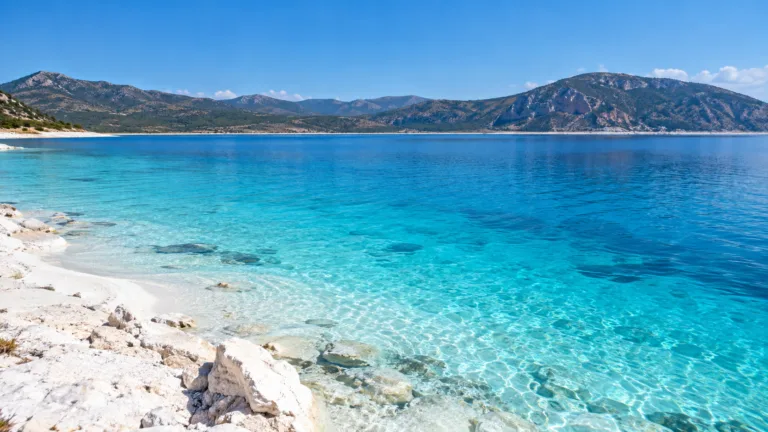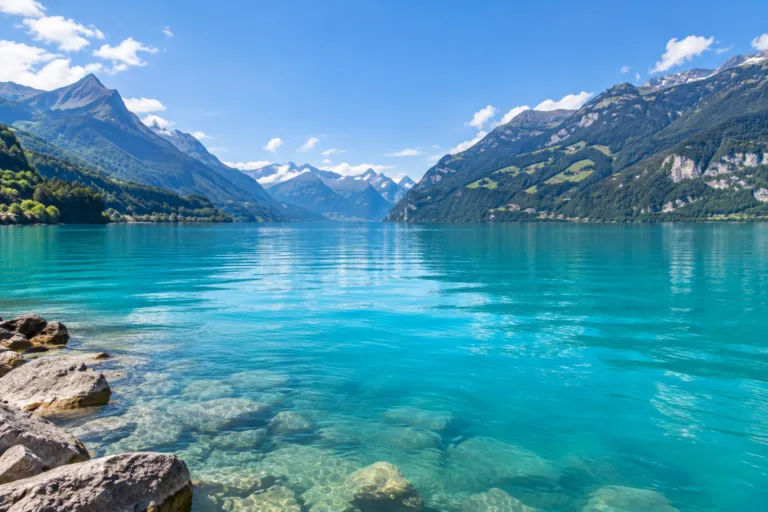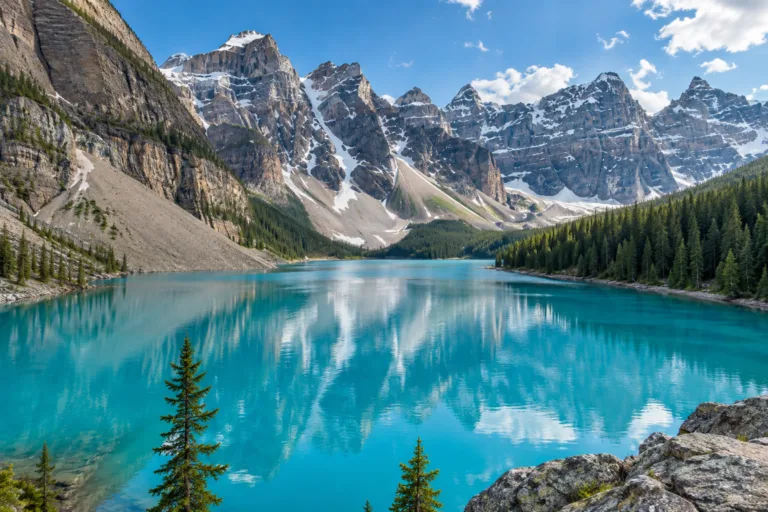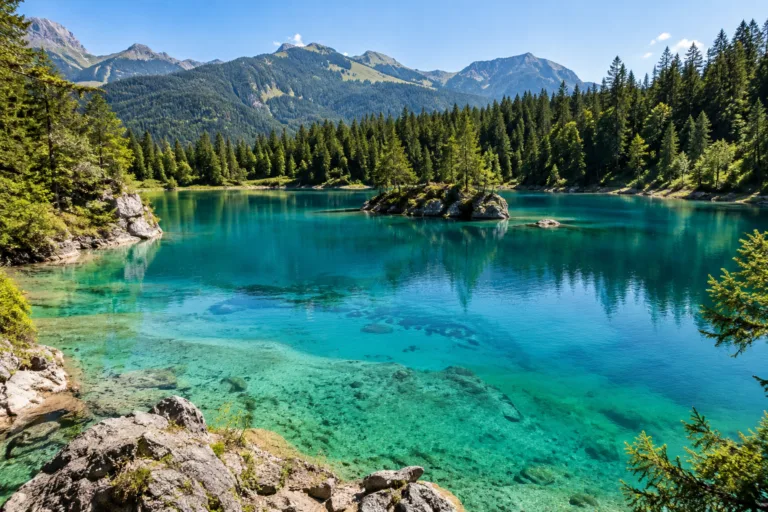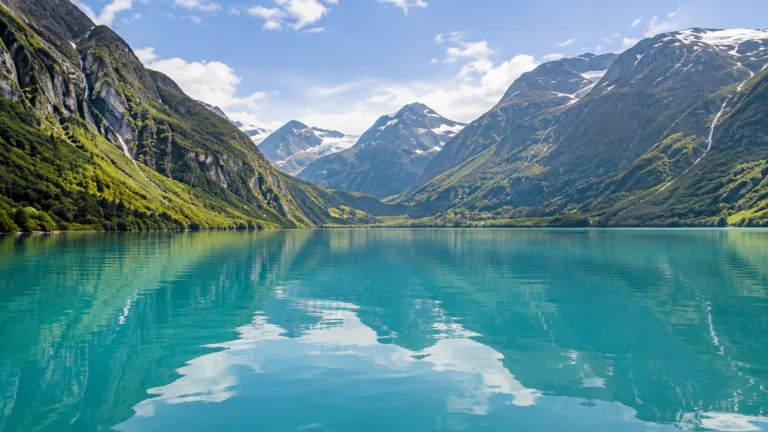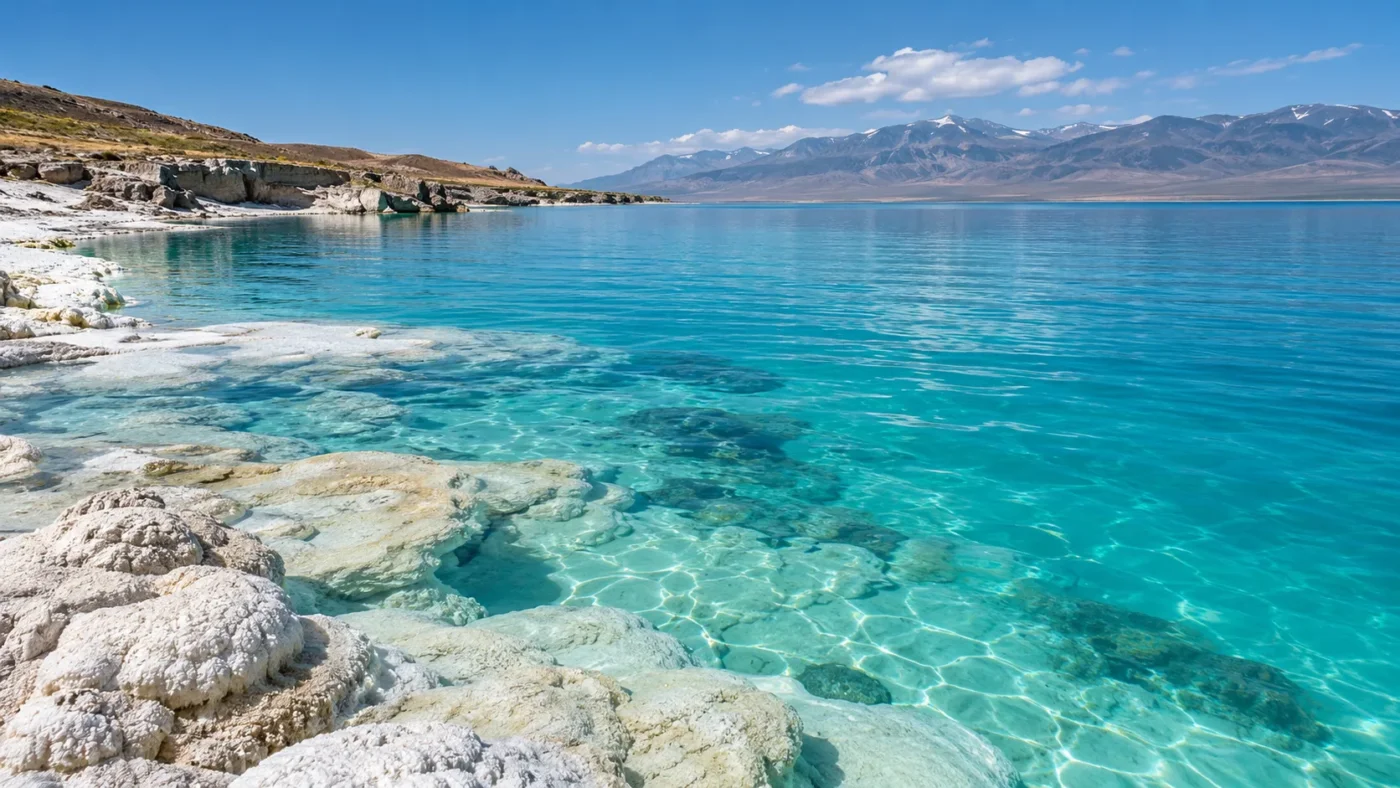
Turquoise
Primary visual colorWhere Is Lake Van?
Eastern Anatolia · Türkiye
Drag or zoom the real map. Verified shoreline geometry is highlighted with the lake’s LakeColors palette color when available.
Lake Van on the Globe
Rotate the world or focus directly on the lake.
Milky Carbonate Whitings
Fine calcium-carbonate precipitation can create milky clouds and light-toned turbidity patterns in surface water, especially where calcium-rich inflow mixes with Lake Van's alkaline water.
Value: Mixing of Ca-rich inflow with alkaline lake water
Provenance: Peer Reviewed
Evidence: High
Value: Patchy milky clouds, whitings and turbidity swirls
Provenance: Observed
Evidence: High
Value: Nearshore and inflow-linked rather than uniformly lake-wide
Provenance: Satellite
Evidence: High
White Carbonate and Dark Microbialite Surfaces
Appearance: White, feather-like or soft precipitates
Provenance: Observed
Evidence: High
Appearance: Very dark green to black cyanobacterial coating
Provenance: Observed
Evidence: High
Appearance: White to beige porous carbonate
Provenance: Observed
Evidence: High
Appearance: White carbonate crust beneath or around microbialites
Provenance: Observed
Evidence: High
Particle and Whiting Cycle Through the Year
How Lake Van Builds Its White Carbonate Features
Measured Chemistry and Particle Flux
Documented measurement dataIndividual seasonal samples reached up to 67%.
2025 Shoreline Carbonate Finding
Published 2025A 2025 study reported the first beachrock record from a high-altitude soda lake at Lake Van, showing that carbonate precipitation also cements shoreline sediment.
Value: Aragonite, Mg-calcite and spar calcite
Provenance: Peer Reviewed
Evidence: High
Value: Highly saturated lake water under strong evaporation
Provenance: Peer Reviewed
Evidence: High
Color Evidence Strength
Official tourism description; not a spectral color measurement
GoTürkiye — Lake VanEvidence: ModerateRemote sensing, particle monitoring, hydrochemistry and field observations
Stockhecke et al. (2012) — The annual particle cycle in Lake VanÇağatay et al. (2024) — Microbialites on the northern shelf of Lake VanEvidence: HighUnderwater observations and sampled microbialite textures
Çağatay et al. (2024) — Microbialites on the northern shelf of Lake VanEvidence: HighLake Van is widely described in turquoise shades, but its most strongly measured color mechanism is the formation of pale carbonate-rich suspended material rather than a fixed turquoise pigment in the water. The lake’s alkaline soda chemistry allows calcium carbonate to appear as milky whitings, white crusts and fresh pale mineral growth, while microbialite surfaces can be dark green to black where cyanobacteria cover them. Turquoise water, pale surface swirls and white mineral formations can therefore appear together without representing one uniform lake-water color.
Turquoise Is an Observed Appearance, Not a Single Chemical Color Value
Official tourism material for Lake Van describes the lake as displaying many shades of turquoise. That description fits the lake’s familiar visual appearance, but the scientific literature on Lake Van generally measures properties such as alkalinity, suspended particles, carbonate precipitation and seasonal particle flux rather than assigning the whole lake one fixed wavelength, RGB value or laboratory color class.
This distinction matters because Lake Van does not behave like a container filled with permanently turquoise liquid. Its appearance changes across a very large surface, and suspended material can locally make the water lighter, milkier or more strongly patterned. The scientific evidence is especially strong for those pale carbonate features.
The turquoise designation is supported as a visual description. The pale whitings have a stronger process-based evidence chain: remote sensing, sediment traps, hydrochemistry and direct observations all connect them with suspended material and calcium-carbonate precipitation.
Why Milky White Swirls Form Across Parts of Lake Van
Lake Van’s closed basin concentrates salts and carbonate species because water leaves mainly through evaporation rather than through an outlet. The resulting lake water is strongly alkaline and calcium-poor. Rivers and groundwater entering the basin provide additional calcium, creating very different waters that can mix near inflows and groundwater-discharge zones.
When calcium-rich freshwater mixes with the alkaline lake water, calcium-carbonate saturation can rise sharply and fine carbonate particles precipitate. Researchers describe the resulting suspended clouds as whitings. Remote-sensing and particle studies show that these whitings and turbidity plumes can create strong lateral differences across the lake instead of producing a uniform pale layer over the entire surface.
A whiting is a visible cloud of fine carbonate particles suspended in the water column. At Lake Van, these precipitates can produce milky areas and light-toned surface patterns that contrast with clearer surrounding water.
The plumes are not pure calcium carbonate. Monitoring of Lake Van’s suspended and sinking material also identified detrital minerals, aquatic organic matter and biogenic silica. This mixture helps explain why satellite and aerial views may contain complex pale, dark and swirling patterns rather than one simple white patch.
The Microbialites Are Dark Outside but Can Be White Inside
Lake Van’s giant microbialites add a second kind of white carbonate feature below the water surface. Detailed work on the northern shelf shows that their color is not uniform from the exterior to the interior. Active biological coatings, recently precipitated carbonate and older internal material can look distinctly different.
- Living outer surfaces: sampled microbialites can carry very dark green to black coatings dominated by coccoid cyanobacteria.
- Fresh mineral growth: recently formed areas can show white feather-like carbonate growths and soft white precipitates.
- Internal structure: beneath the dark surface layer, the main carbonate material can be white to beige, porous and crumbly.
- Lake-floor crusts: shallow microbialite fields may develop over pale or white carbonate substrates produced where groundwater and lake water interact.
This creates an important color contrast. A microbialite tower visible underwater may look dark or greenish because organisms cover its exterior even though carbonate precipitation is actively producing white mineral material within, beneath or at newly growing parts of the structure.
The towers form where calcium-rich groundwater is focused through the lake floor and encounters Lake Van’s alkaline water. Rapid inorganic carbonate precipitation is an important part of the process, followed by colonization by cyanobacteria and algae and additional microbially mediated mineralization. Treating the towers as either entirely biological or entirely inorganic would miss this combined formation pathway.
Spring and Fall Strengthen the Particle Signal
Lake Van has a measured annual particle cycle that affects how strongly suspended carbonate and other material can influence the surface appearance. Monitoring from 2006 through 2009 recorded high particle fluxes in spring and fall, medium fluxes in summer and almost no flux during winter.
Spring runoff combines precipitation with snowmelt and delivers calcium and detrital material to the lake. During summer, biological productivity contributes to carbonate flux. In fall, renewed runoff and water-column mixing increase particle transport again. These processes help explain why whitings and turbidity structures can vary substantially through time.
The monitoring program recorded a mean total particle-mass flux of 403 mg m−2 day−1. Calcium carbonate represented about 33% of that mean mass flux, while individual seasonal samples reached as high as 67% CaCO3. The annual signal is therefore large enough to alter the amount and distribution of pale suspended material without requiring the entire lake to change from one named color to another.
The seasonal evidence documents changes in particle and carbonate flux, not a fixed month when the whole lake reaches a scientifically measured maximum turquoise color. Spring and fall are stronger particle periods, but that should not be converted into an unsupported claim that Lake Van becomes uniformly whiter or more turquoise during those months.
The study also illustrates why a single unusual year should not be turned into a permanent color rule. An exceptionally high calcium-carbonate flux occurred in November 2007 when warm, highly supersaturated surface water coincided with unusually strong late runoff. It was an anomalous event within the monitoring record, not a normal November color phase.
A 2025 Study Extended Lake Van’s Carbonate Record onto the Shore
Lake Van’s carbonate precipitation is not limited to suspended whitings and submerged microbialites. A study published in 2025 reported the first recognized beachrock from a high-altitude soda-lake setting at Lake Van. The finding adds cemented shoreline sediment to the lake’s already diverse carbonate system.
The beachrock contains carbonate cements including aragonite, Mg-calcite and spar calcite. The researchers linked its formation to precipitation from highly saturated lake water under strong evaporation. This shoreline process is related to the same broad carbonate-rich geochemical setting that favors whitings and microbialite growth, although the physical formation pathway is different.
Surface whitings are fine suspended precipitates, microbialites are organized lake-floor buildups associated with groundwater discharge and microbial communities, and beachrock is cemented shoreline sediment. All involve carbonate chemistry, but they should not be treated as the same structure or the same color phenomenon.
The beachrock finding also prevents an overly narrow interpretation of Lake Van’s pale mineral scenery. White or pale carbonate material can occur in the water column, on the lake floor, within microbialites and in cemented shoreline deposits. Each setting records a different interaction among alkaline lake water, calcium supply, evaporation, groundwater, runoff and biological activity.
Sources